
When and How to Do a Pool Shock
What Does it Mean to Do a Pool Shock?
When you do a pool shock, you are raising the level of the free chlorine by adding chlorine or non-chlorine chemicals to the water. The chlorine level needs to be raised to the point where algae, chloramines, and other bacteria and contaminants are destroyed.
Just because a pool smells strongly of chlorine doesn’t mean it is clean. In reality, when a pool is clean, it is virtually odor-free. If the chlorine smell is strong, that is a sign the water is improperly treated.
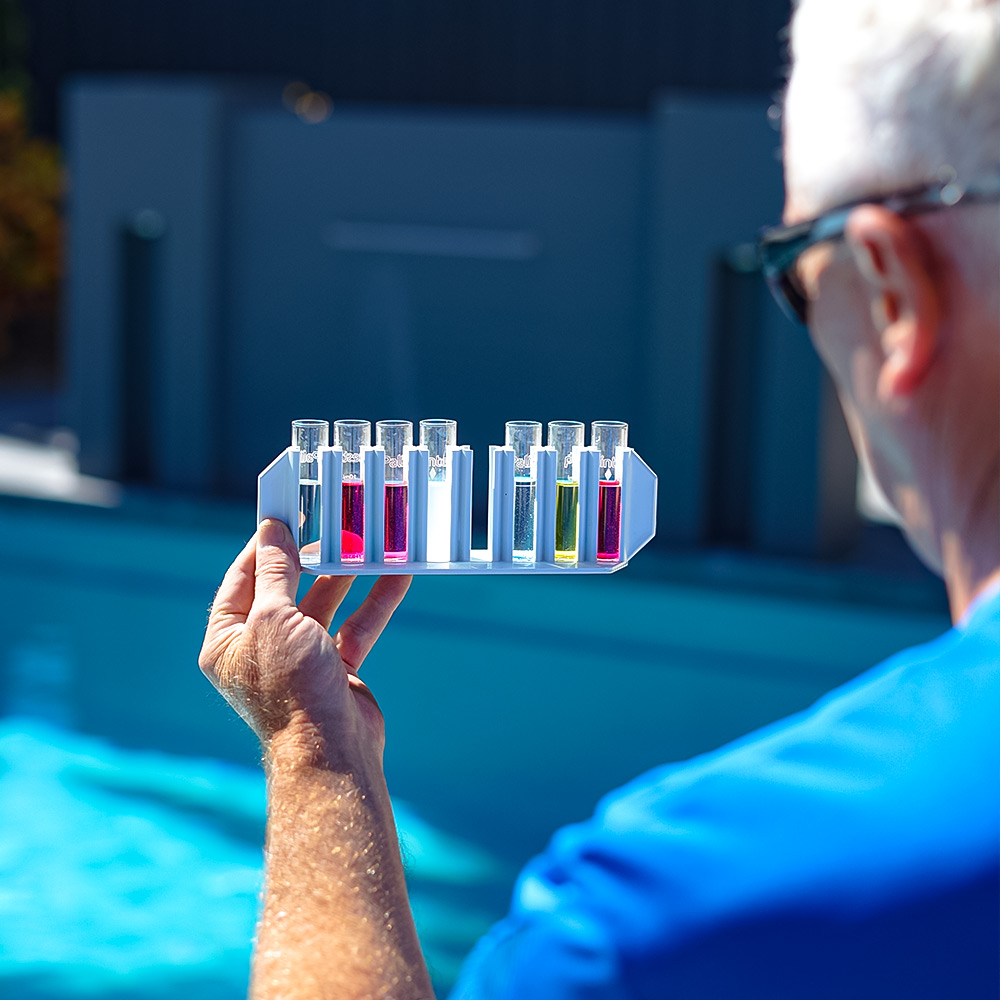
- Test First: Shock is needed when algae appear, free chlorine reaches zero, or combined chlorine rises above 0.5 ppm.
- Time It Well: Opening day, closing day, parties, heavy rain, high winds, and repeated hot sunny days can all call for shock treatment.
- Prep Carefully: Uncover, skim, vacuum sediment, brush the pool, balance pH, and wear protective goggles, gloves, and work clothes before adding shock.
- Swim Later: Run the pump for roughly six hours or more, then test for free chlorine at 1 to 3 ppm before anyone gets in.
A simple testing and timing routine keeps shock treatment practical instead of reactive.
When Should I Do a Pool Shock to my Backyard Pool?
There are three general rules of thumb here:
Typically speaking, you should do a pool shock every couple of weeks during the swimming season. Also, you should do a pool shock when the water tests outside of the recommended free chlorine levels of 1-3 ppm. Chlorine levels are raised by shocking the pool.
Experts also recommend a pool shock under these circumstances:

What is free chorine?
This is the chlorine required to sanitize and disinfect the pool water.

What is combine chlorine?
This is the chlorine required to sanitize and disinfect the pool water.

What is total chlorine?
This is the total amount of chlorine, which includes the free and combined chlorine.
How to Shock Your Backyard Pool
Shocking your pool is not as difficult as it may seem. First, you have to uncover your pool, skim it, vacuum and sediment and brush the walls, floor, and coves. Before you add any shock, protect yourself by wearing protective goggles, gloves, and work clothes.
Once the water tests appropriately, then you can jump in and enjoy the water.
If you have any questions or concerns about shocking your backyard pool, consult your local dealer at Leisure Pools. To find your local fiberglass pool dealer, call 855-857-7527 or go to our website at at leisurepoolsusa.com. A clean and healthy pool is a happy pool and will allow you to enjoy a “life of leisure” every day.

 United States
 Canada
 Australia
 New Zealand
 Europe
 Find a Dealer
 (855) 857 7527
 Leisure Pools USA