Fiberglass vs
Concrete vs
Vinyl Pools
Which Inground Pool Is Right for You?
Every great backyard starts with the right pool. Explore how fiberglass, concrete and vinyl liner pools compare in cost, installation, maintenance and design so you can choose the option that best fits your lifestyle, budget and long-term expectations.
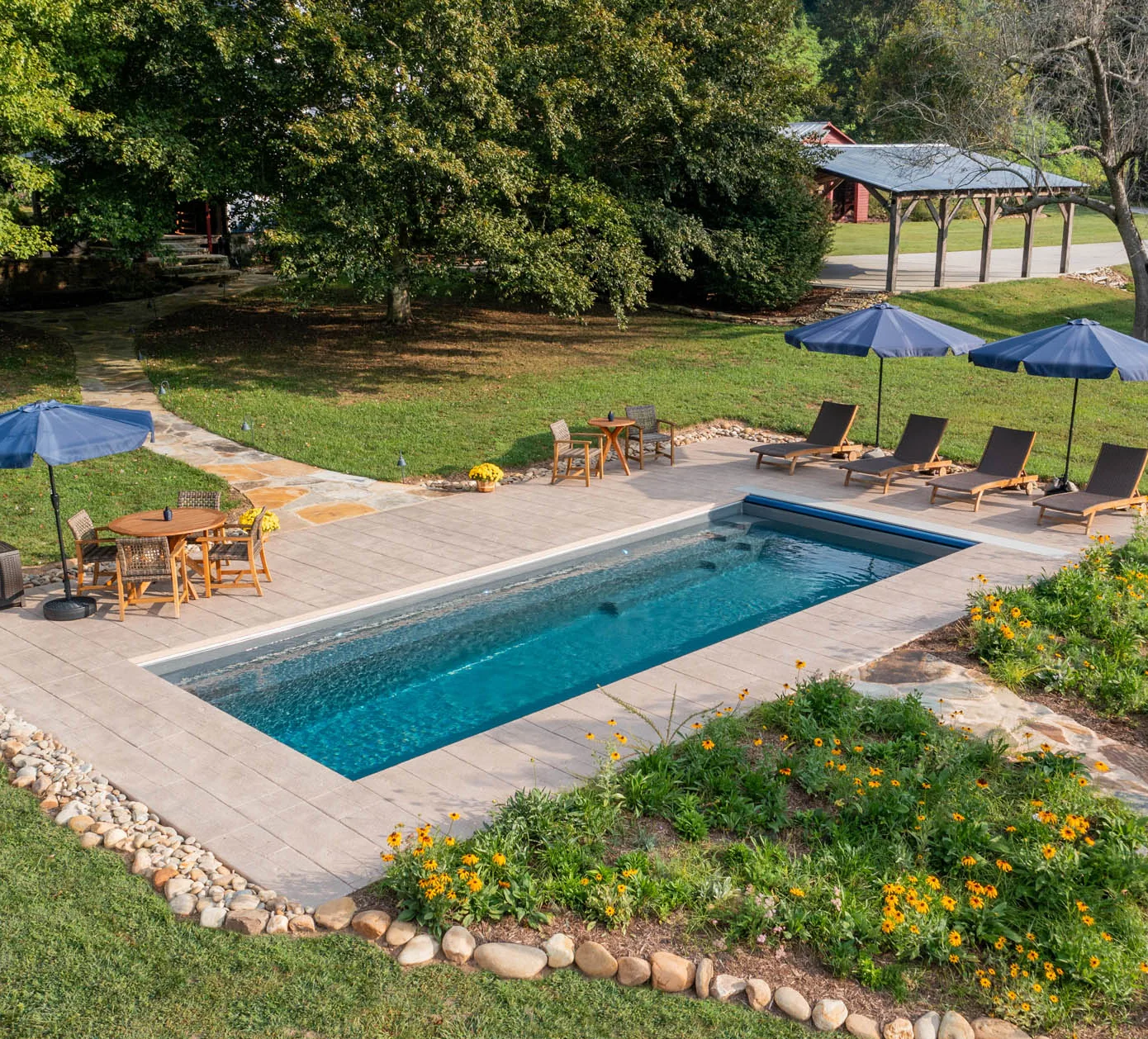
Find your fit.
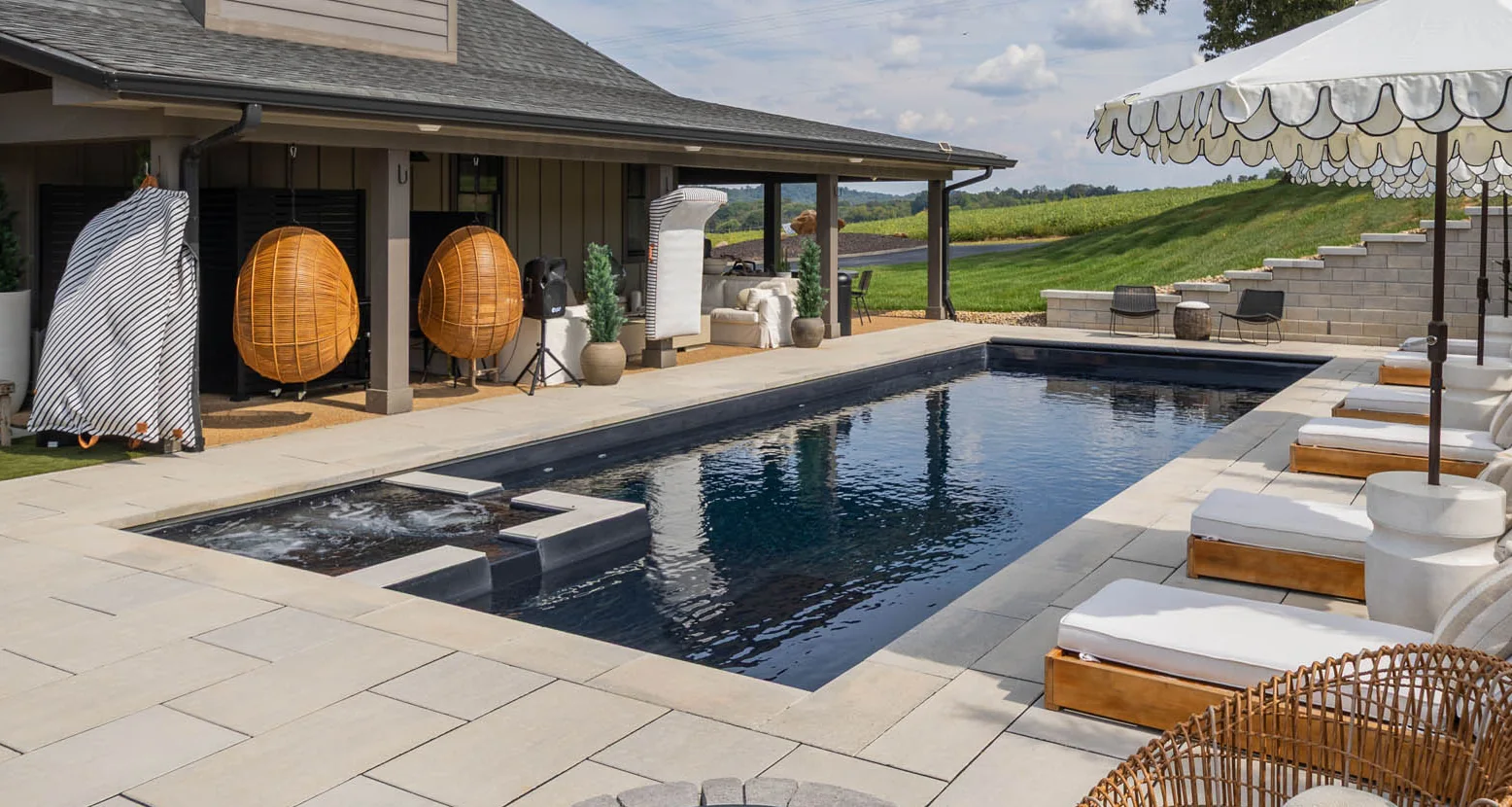
Fiberglass
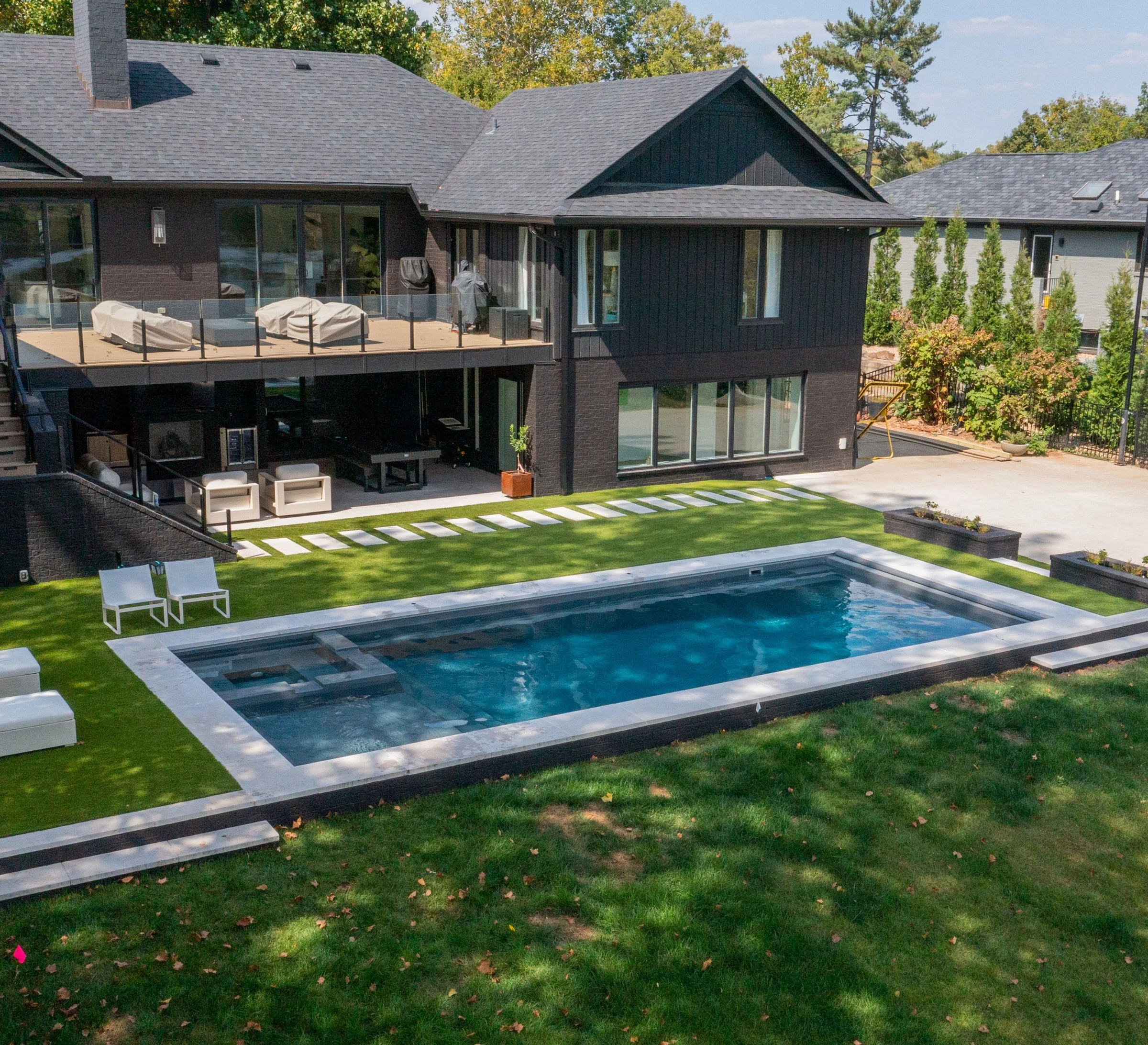
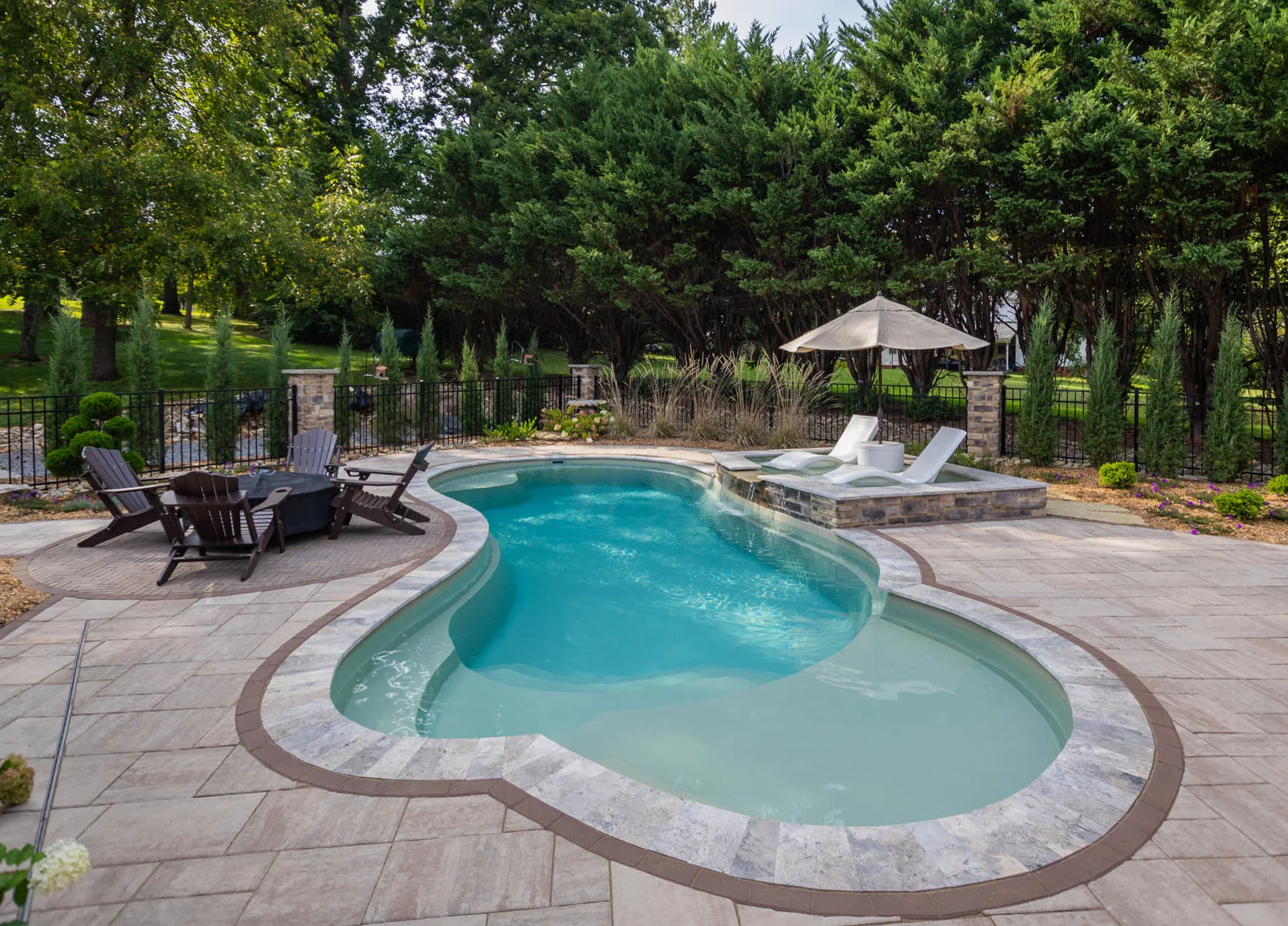
Fiberglass pools are manufactured as complete shells before arriving at your home, helping streamline installation and reduce ongoing maintenance once the pool is in place.
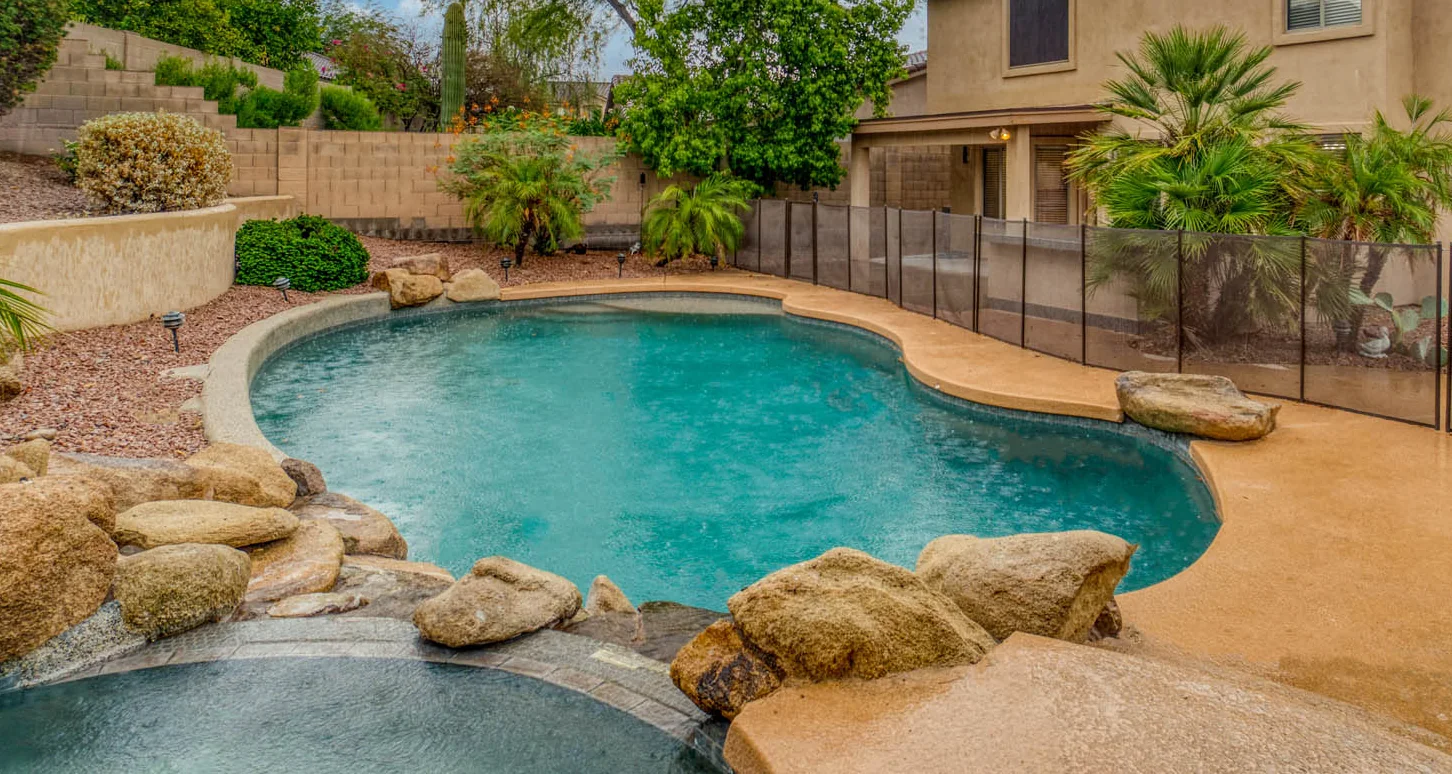
Concrete
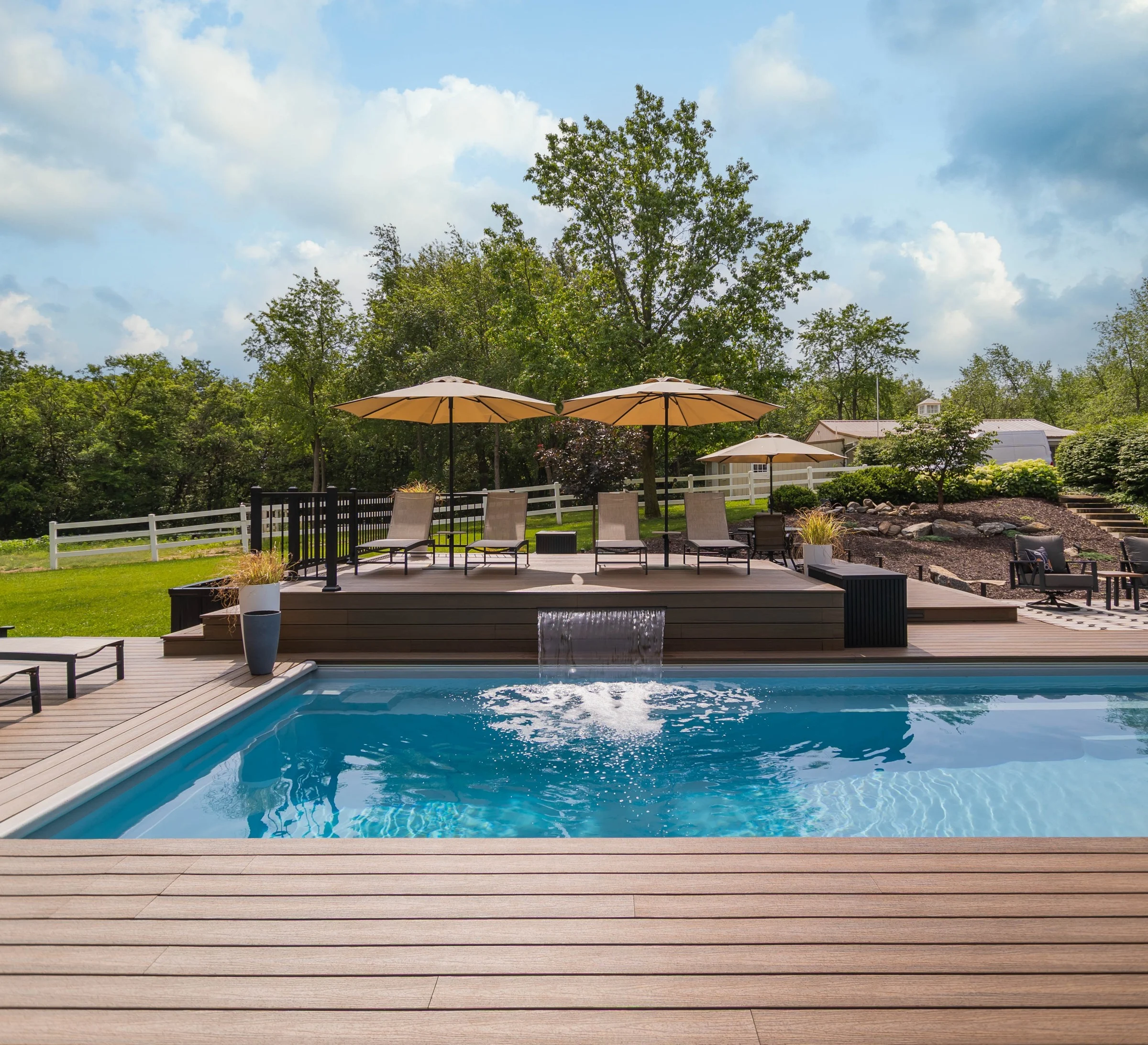
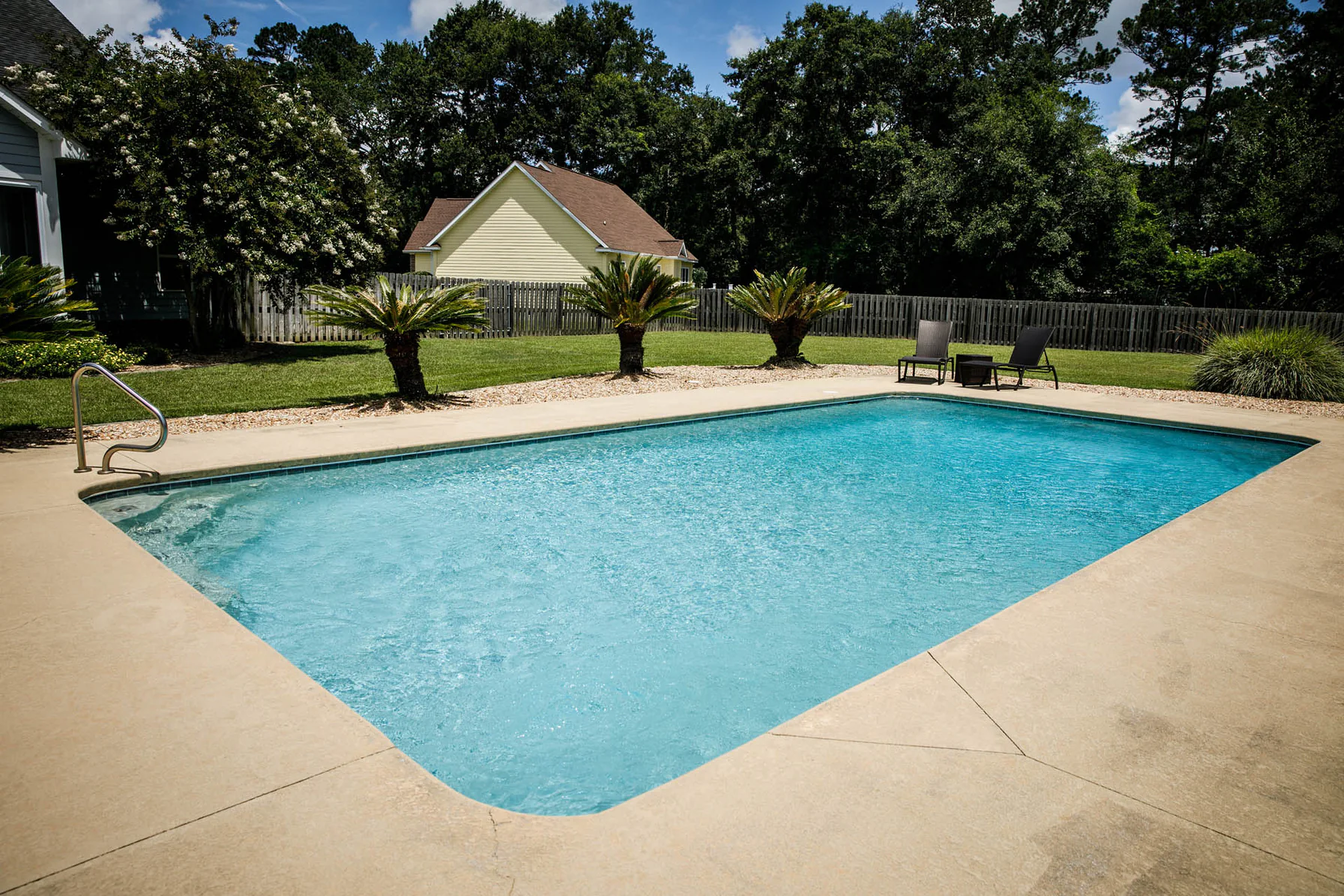
Concrete pools are constructed on site, giving homeowners the greatest flexibility to customize shape, size, depth and features, though the process is typically longer and more involved.
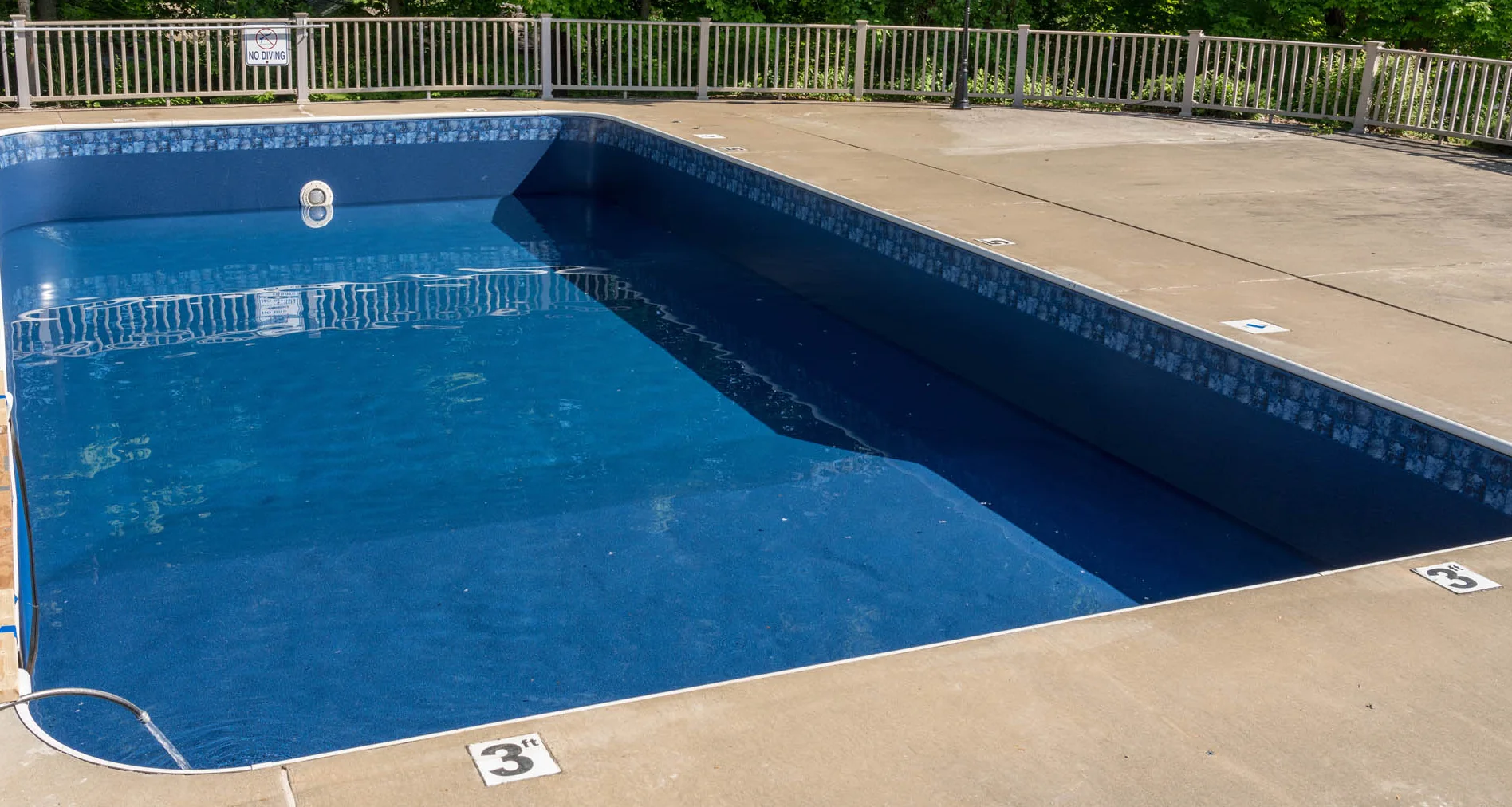
Vinyl Liner
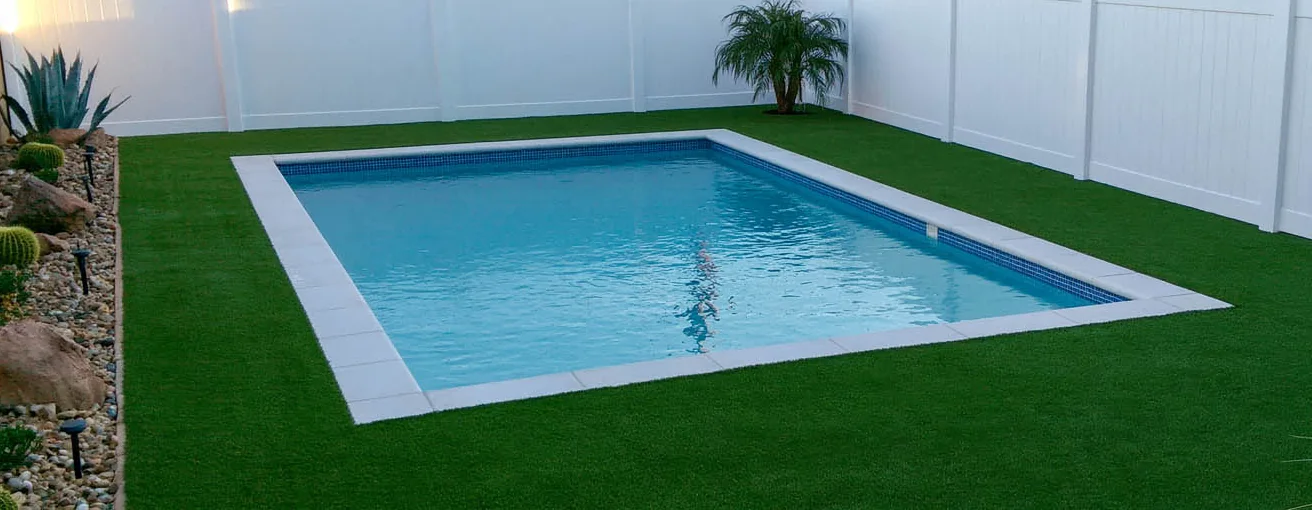
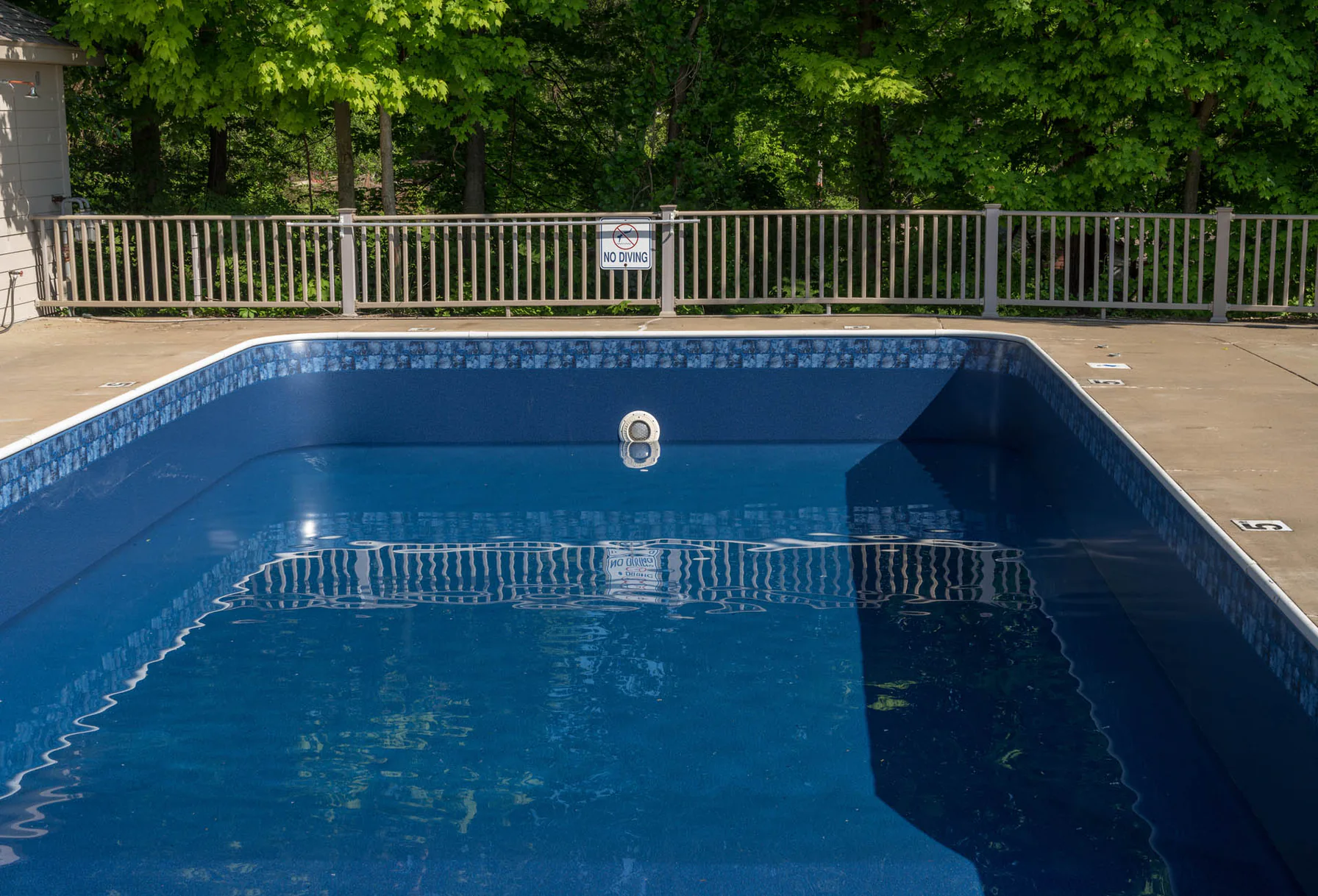
Vinyl liner pools are assembled on site and finished with a fitted liner, offering flexibility in shape and design with a lower upfront cost to consider.
Compare at a glance.
See how fiberglass, concrete and vinyl liner pools compare across the factors that can shape your decision.
| Fiberglass | Concrete | Vinyl Liner | |
|---|---|---|---|
| Installation | As fast as 1 week | 3–6 months | 3–6 weeks |
| Initial Cost | Moderate to higher initial investment | Typically highest initial cost | Typically lowest initial cost |
| Long-Term Cost | Strong long-term value | Ongoing maintenance and resurfacing costs | Liner replacement adds long-term cost |
| Maintenance | Lower ongoing maintenance | Higher ongoing maintenance | Moderate maintenance plus liner replacement |
| Design | Pre-engineered shapes, sizes and features | Highly adaptable | Variety of shapes and sizes |
| Construction | Factory-controlled shell construction | Built entirely on site | Structural kit assembled on site |
| Surface | Smooth finished surface | Finish varies and may be abrasive | Vinyl liner surface |
| Warranty | Varies by manufacturer | Often builder-dependent | Varies by liner manufacturer |

Initial and ongoing costs.
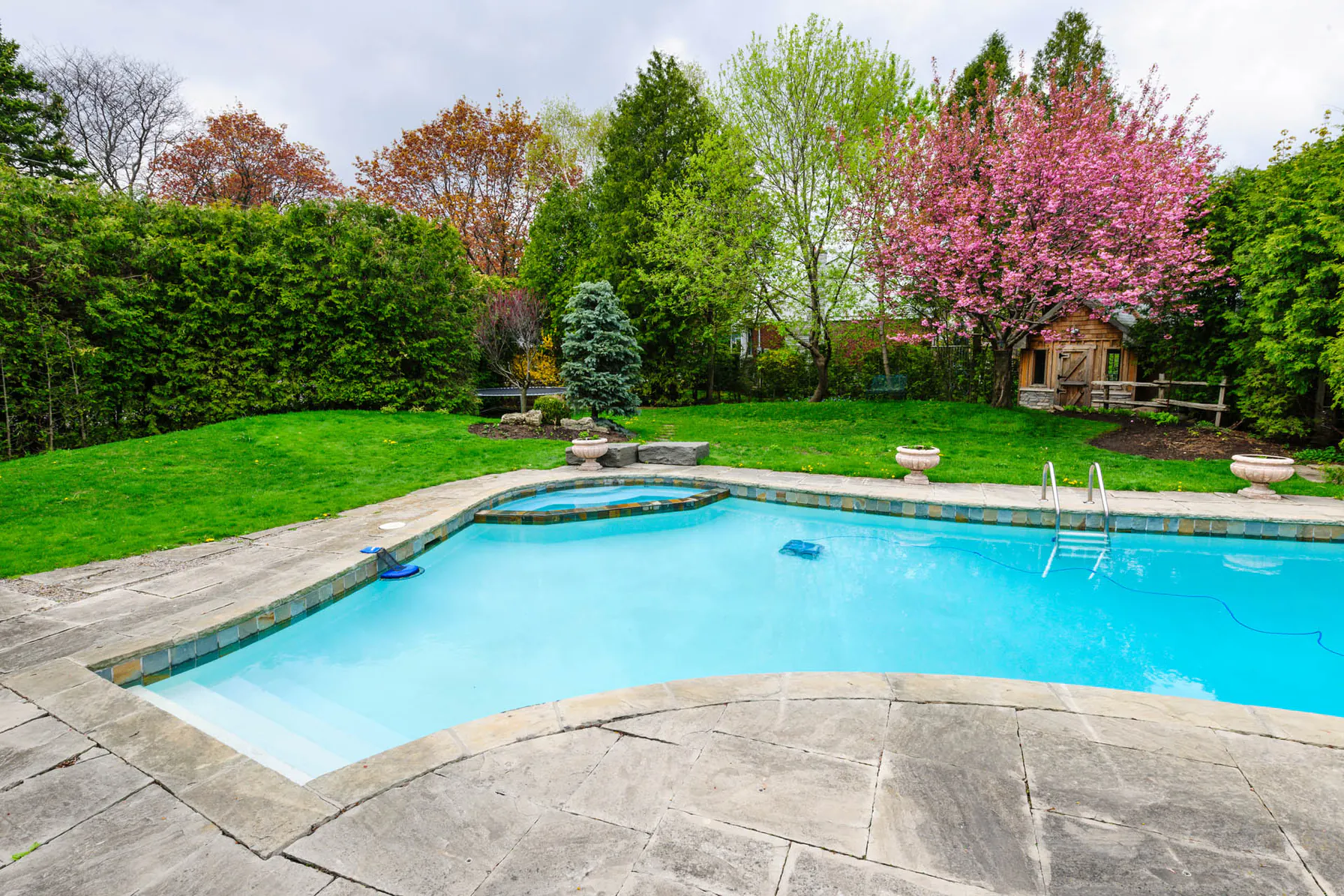
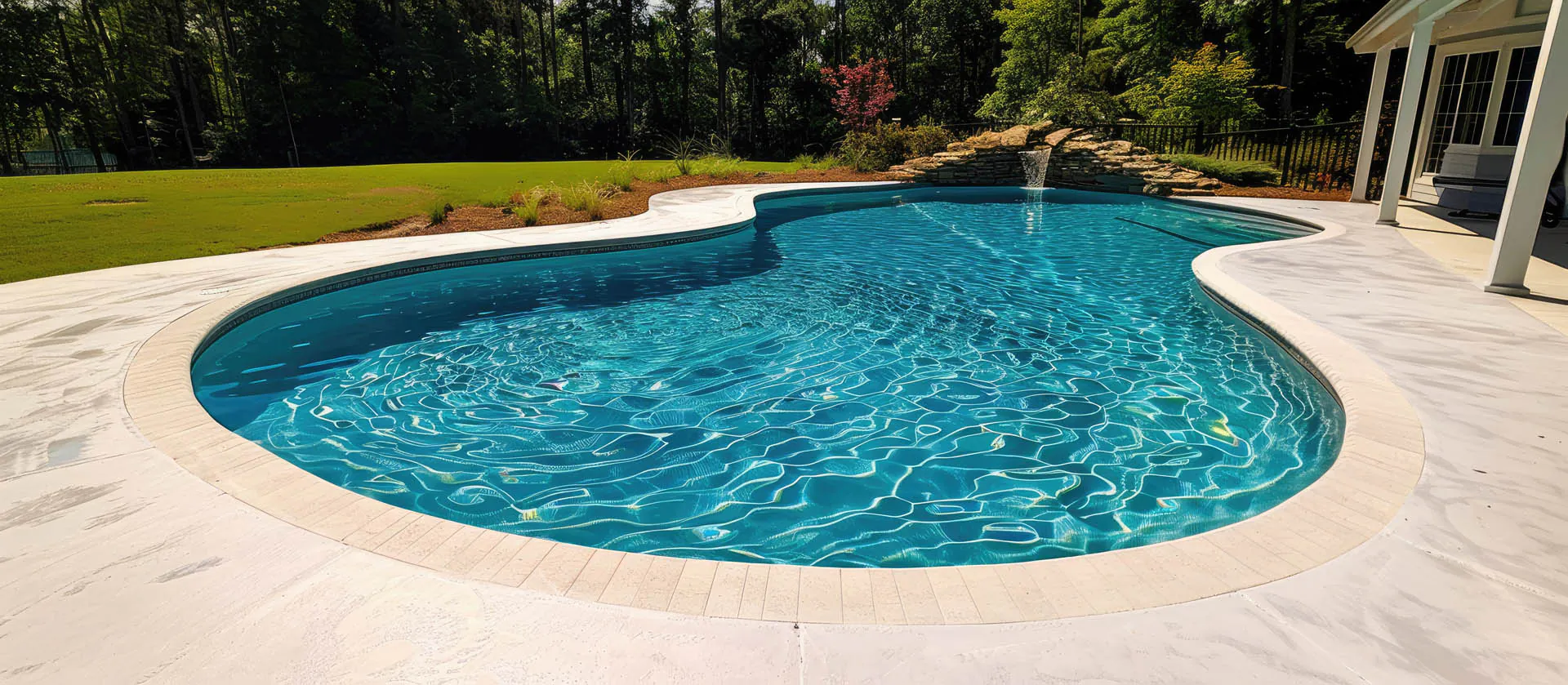
Installation timeline.
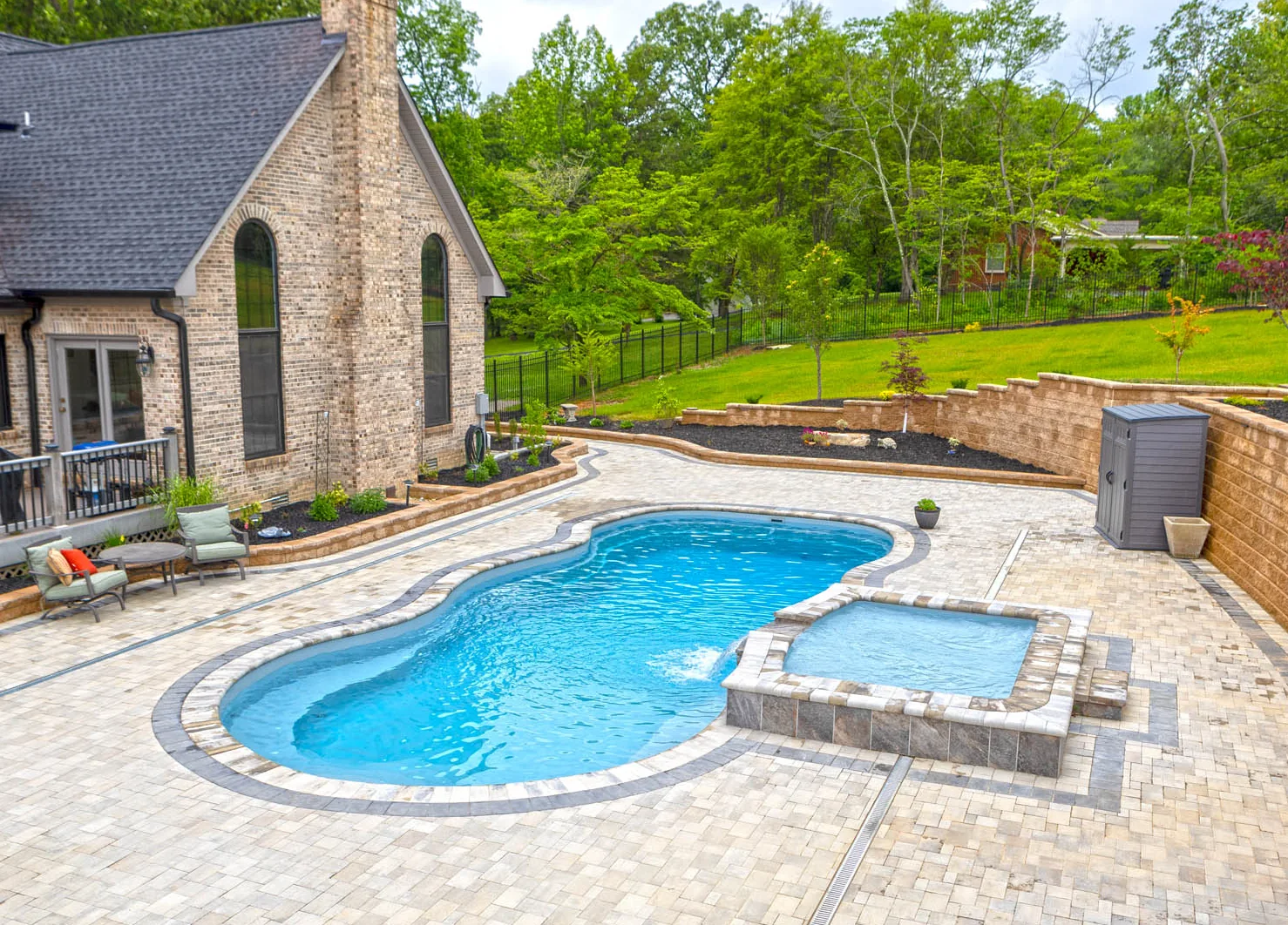
The way your pool is built has a major impact on how long installation takes. Fiberglass pools arrive as finished shells, while concrete and vinyl liner pools require more construction work on site. Here’s how typical installation timelines compare.
As fast as 1 week
Fiberglass
Premanufactured shells allow for a faster, more streamlined installation.
Vinyl Liner
The pool structure is assembled on site before the liner is fitted.
3–6 Weeks
3–6 Months
Concrete
Multiple on-site construction and finishing stages extend the installation timeline.
Maintenance needs.
Maintenance affects both the time and money you spend caring for your pool. Cleaning, chemical needs and recurring surface care can take away from time spent swimming, and the type of pool you choose can make a meaningful difference.
Fiberglass
Lower Ongoing
Maintenance
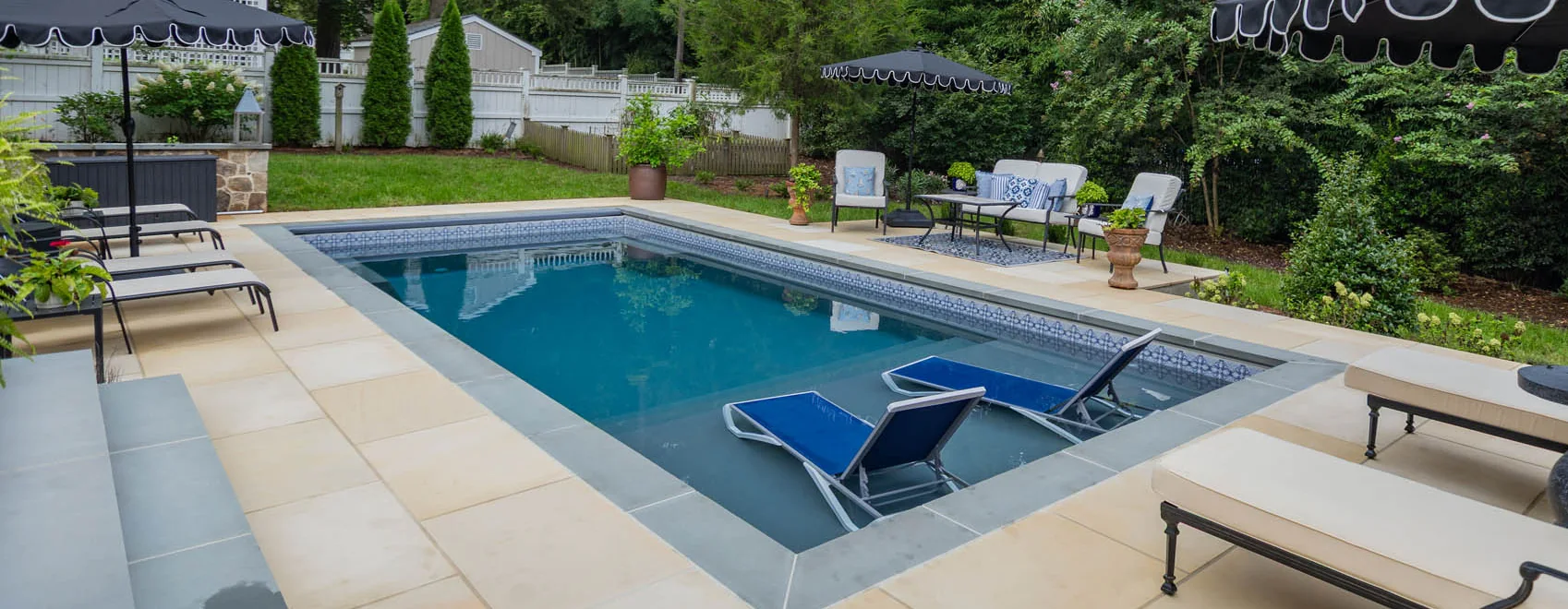
The smooth, nonporous fiberglass surface resists algae growth, helping simplify cleaning and reduce chemical demand. With no liner to replace or surface to resurface, fiberglass also avoids common recurring maintenance expenses.
Concrete
More Ongoing Care
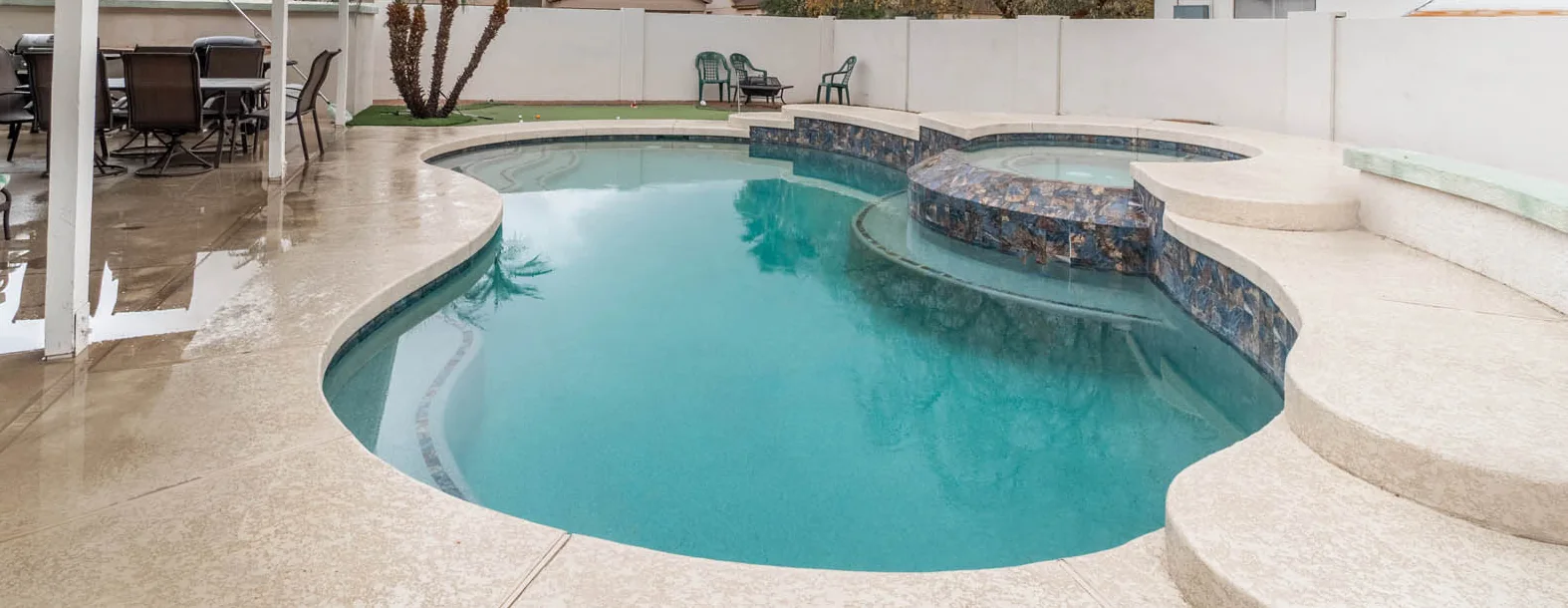
Concrete surfaces can influence water chemistry and provide porous areas where algae may grow. Owners may also need to plan for periodic acid washing and resurfacing.
Vinyl Liner
Plan for Liner
Replacement
A smooth vinyl liner is relatively easy to clean, but the liner can tear or puncture and will eventually need to be replaced. That adds an ongoing ownership consideration even when routine care is manageable.
Warranty coverage can also vary by pool type. Leisure Pools offers a lifetime structural warranty, while concrete and vinyl liners may depend on the builder or manufacturer.

Weather, ground and durability.
Your local climate and ground conditions can place different stresses on an inground pool. Freeze-thaw cycles, expansive soils, shifting ground, heat and humidity can all influence how a pool structure and surface perform over time.
Appearance and usability.
How a pool looks and feels is shaped by both its surface and the design options available. Consider the backyard experience you want, from built-in features and finish choices to how much freedom you want to customize the pool itself.

Fiberglass
Fiberglass pools are manufactured as complete shells before arriving at your home, helping streamline installation and reduce ongoing maintenance once the pool is in place.

Concrete
Concrete pools are constructed on site, giving homeowners the greatest flexibility to customize shape, size, depth and features, though the process is typically longer and more involved.

Vinyl Liner
Vinyl liner pools are assembled on site and finished with a fitted liner, offering flexibility in shape and design with a lower upfront cost to consider.
Inground pool FAQs.

 United States
 Canada
 Australia
 New Zealand
 Europe
 Find a Dealer
 (855) 857 7527
 Leisure Pools USA