Fiberglass
vs. Concrete
Look 10 years beyond the initial price.
The cost of a pool does not end when installation is complete. Water care, energy use, routine service, repairs and surface maintenance can continue to shape what you spend for years after your first swim.
Comparing fiberglass and concrete over a 10-year period can give you a clearer picture of how the pool you choose today may affect both your budget and the time you spend maintaining it in the years ahead.
What makes up the cost of pool ownership?
Start with the initial investment. Then look at what comes next.
Both fiberglass and concrete pools require regular care, equipment operation and normal upkeep. The biggest difference is often what the pool structure and surface require over time.
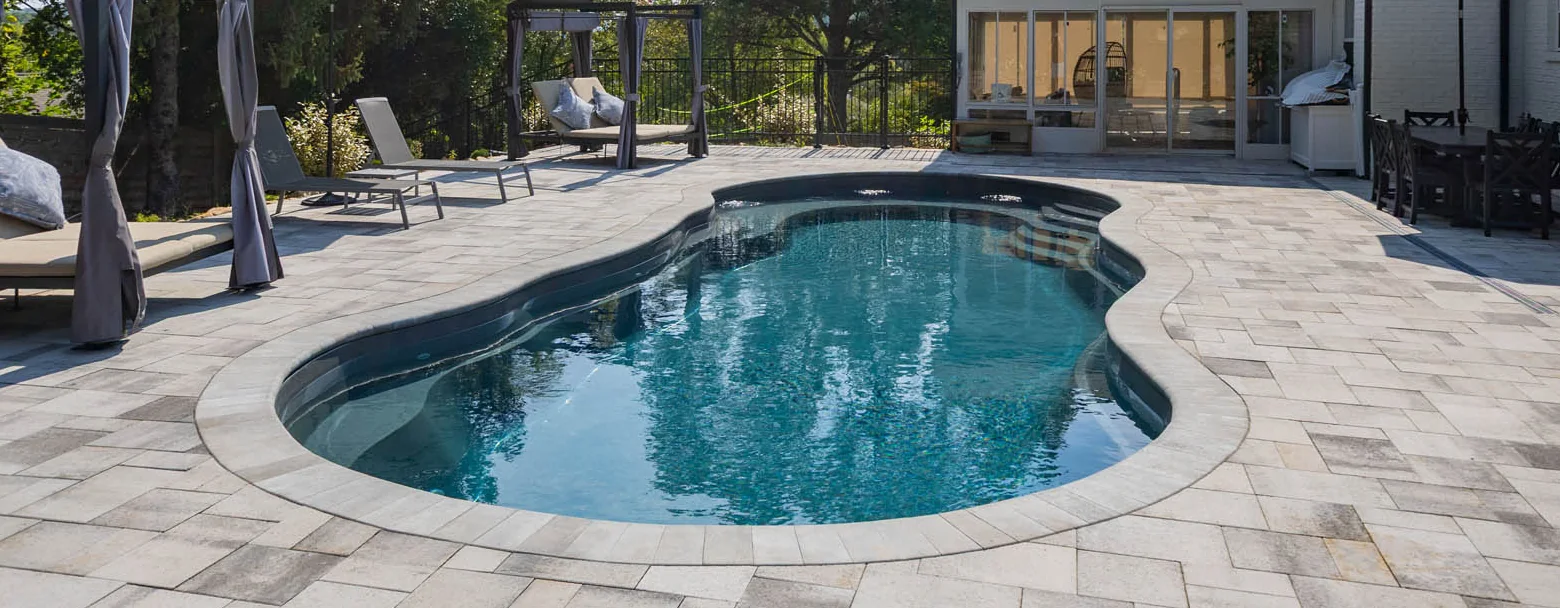
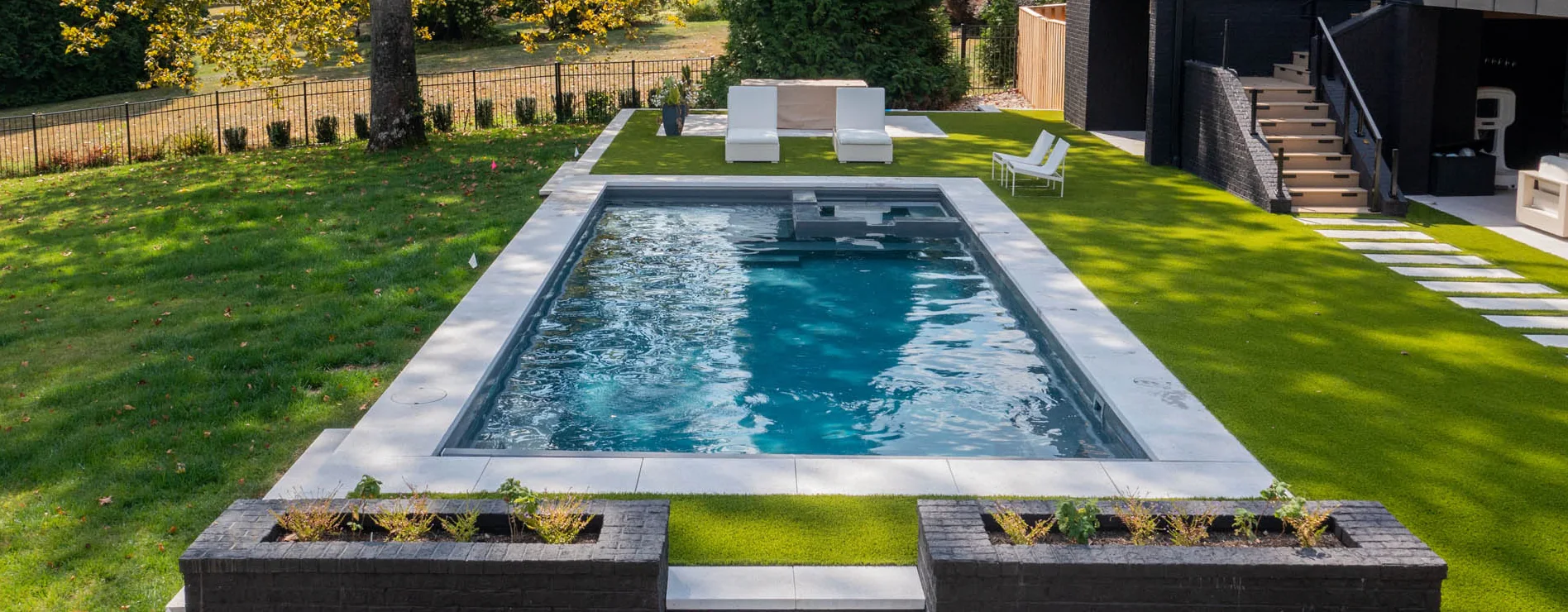
A fiberglass pool's smooth, nonporous surface helps resist algae growth and generally requires fewer chemicals and less intensive cleaning. Concrete's porous surface typically requires more frequent brushing, chemical management and periodic surface treatments.
What Both Pools Need
- Water testing and chemical balancing
- Filtration and circulation
- Electricity for pool equipment
- Routine cleaning
- Equipment inspection and service
- Heating costs, if applicable
What Changes With the Pool Type
Fiberglass
- Lower routine chemical and cleaning demands
- No periodic resurfacing
- No acid washing as part of normal surface care
Concrete
- Greater chemical and cleaning demands
- Periodic acid washing
- Resurfacing typically required over the life of the pool
These differences may seem small from week to week, but recurring maintenance and occasional major surface work can add up significantly over a decade of ownership.
The costs to include.
A useful 10-year comparison should account for more than the original pool quote. Consider the expenses that happen once, the costs that repeat every season and the larger maintenance needs that may arise over time.
| Cost | Why It Matters |
|---|---|
| Initial Project Cost | Why it matters: This is the largest single expense, but it is only the beginning of the ownership equation. Fiberglass and concrete project costs vary based on pool size, property conditions, location, features and the surrounding backyard scope. Compare equivalent projects whenever possible rather than comparing shell price alone. |
| Water Care | Why it matters: Chemicals, testing and cleaning are recurring costs that continue every year you own the pool. The smooth, nonporous surface of fiberglass helps resist algae and can reduce chemical demand. Concrete's porous surface typically requires more attention to water chemistry and algae control. Swimming Pool Maintenance 101: Maintaining The Perfect Water Chemistry |
| Energy | Why it matters: Pumps, filtration, heating and other equipment contribute to the everyday cost of running either type of pool. Actual energy use depends more heavily on pool size, equipment efficiency, climate and how the pool is used than on the shell material itself. How Sustainable Fiberglass Pools Are Shaping an Eco-Friendly Future |
| Routine Service | Why it matters: The more ongoing care a pool requires, the more you may spend either in your own time or on professional service. Fiberglass generally requires less surface brushing and algae treatment, while concrete requires more active surface care to keep its porous finish clean. |
| Repairs | Why it matters: Unexpected repairs are difficult to predict, but they should still be considered when evaluating long-term ownership. Costs can vary significantly depending on the issue, installation quality, climate, soil conditions and how the pool has been maintained. |
| Surface Care | Why it matters: This is one of the biggest long-term differences between fiberglass and concrete. Fiberglass does not require resurfacing as part of normal ownership. Concrete pools typically require acid washing periodically and resurfacing approximately every 8–15 years, depending on the finish, water chemistry and maintenance history. Current Leisure Pools guidance places concrete resurfacing at roughly $10,000–$15,000 in many markets. |
What can 10 years of maintenance look like?
No two pool owners will spend exactly the same amount, but current Leisure Pools planning guidance provides a useful baseline for understanding the difference in routine ownership costs.
Fiberglass
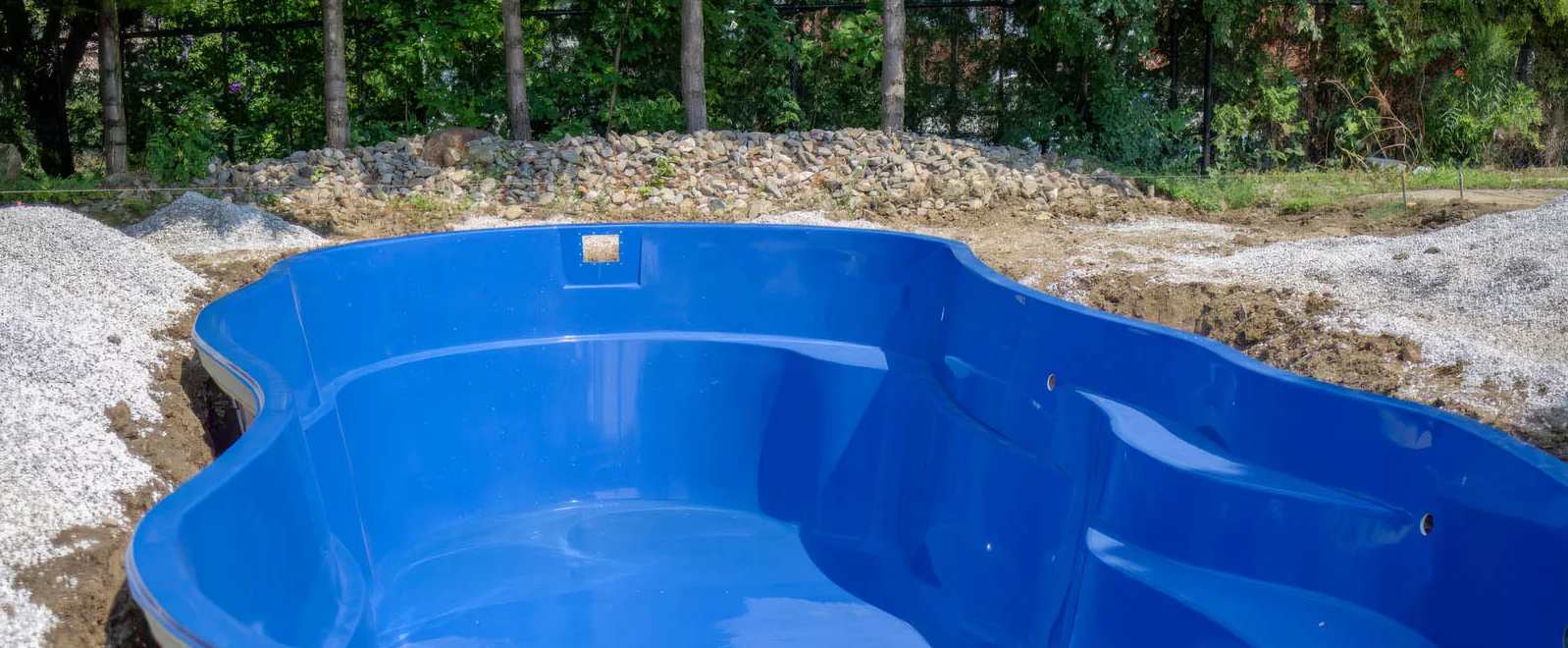
Estimated annual maintenance: $800–$1,200
Over 10 years, that represents approximately $8,000–$12,000 in routine maintenance, before considering equipment repairs, heating or other project-specific expenses.
The smooth gelcoat surface helps limit algae growth and does not require periodic resurfacing.
Concrete
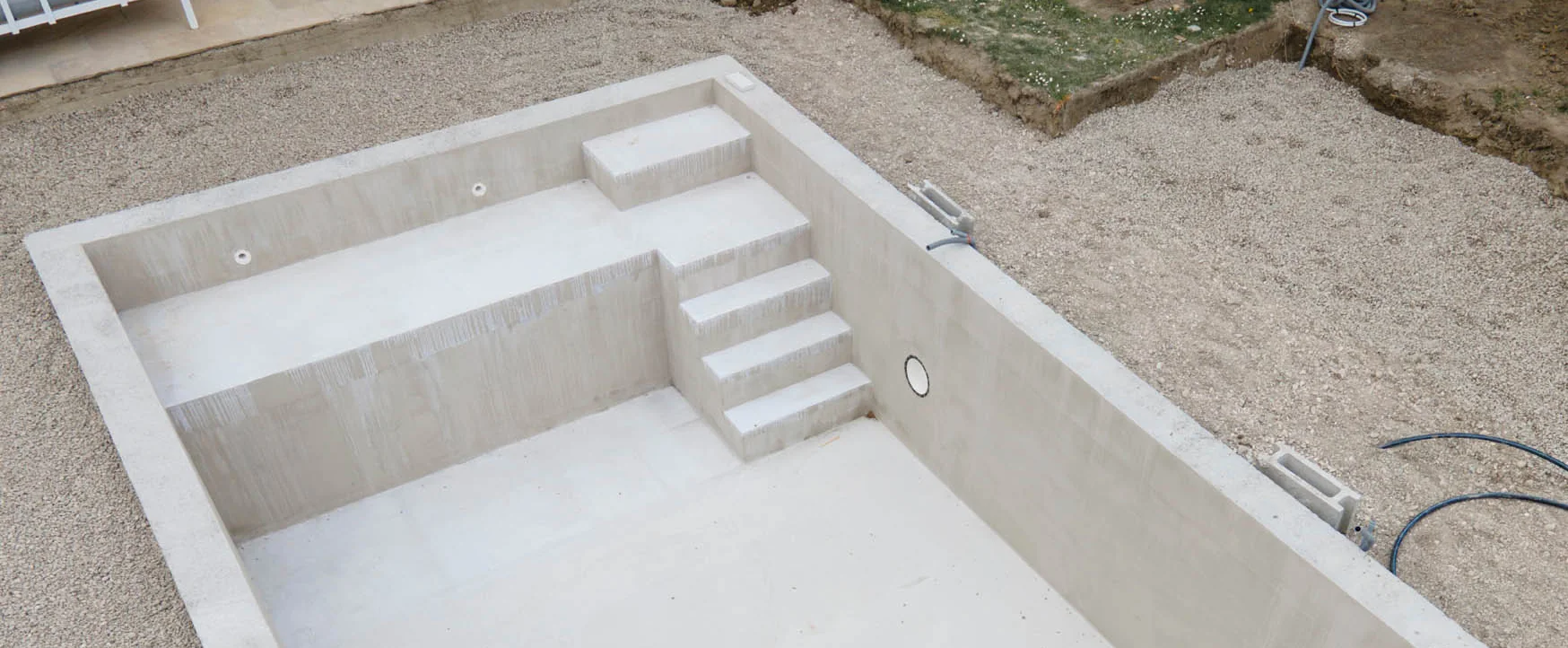
Estimated annual maintenance: $1,800–$2,500
Over 10 years, that represents approximately $18,000–$25,000 in routine maintenance, before equipment repairs, heating or larger surface work.
Concrete owners may also need periodic acid washing, and depending on the pool's age and condition, resurfacing may begin to enter the ownership picture around the end of the first decade.
Year 1
Both pools begin with routine water care, energy use and equipment maintenance.
Fiberglass typically continues with routine care. Concrete may require more frequent brushing, chemical management and an acid wash depending on conditions.
Years 2–5
Years 6–9
Routine costs continue to accumulate. Concrete may require additional acid washing and surface attention.
Fiberglass generally continues with routine care, while some concrete pools may be approaching the timeframe when resurfacing becomes necessary.
Year 10
A 10-year window does not capture every lifetime expense. Concrete resurfacing commonly falls within an 8–15 year range, so whether it occurs during the first decade depends on the individual pool.
Build your own 10-year comparison.
Use your real project numbers.
National ranges are useful for planning, but your own estimates will give you the clearest picture. Start with comparable pool projects and build forward from there.


Initial Project Cost + 10 Years of Routine Care + Energy + Service + Repairs + Surface Work = Estimated 10-Year Ownership Cost
Use the same assumptions for both pools wherever possible. Comparing one highly upgraded project against a basic installation will tell you more about the backyard design than the pool material itself.

Weigh cost alongside the pool you want.
Ownership cost matters, but it is only one part of choosing the right pool. Think about what you want your backyard to look like, how much maintenance you are comfortable taking on and whether you prefer predictable routine expenses or are comfortable planning for larger periodic projects.
For a broader comparison, compare fiberglass, concrete and vinyl pools.
Design
Concrete provides the greatest freedom to customize shape, size and depth. Fiberglass offers a range of professionally engineered designs with built-in features and a smooth finished surface.
Why it matters: Decide whether unlimited customization is worth the additional construction and maintenance requirements for the backyard you have in mind.
Routine
Fiberglass generally requires less surface cleaning and chemical management than concrete.
Why it matters: Lower maintenance can mean both lower recurring costs and more of your pool time spent swimming instead of caring for the surface.
Possible Larger Bills
Concrete owners should plan for periodic acid washing and eventual resurfacing. Fiberglass avoids these recurring surface-renewal expenses.
Why it matters: A pool with similar upfront pricing can feel very different financially if larger maintenance projects appear later in ownership.
Warranty coverage is part of the ownership picture.
Understand what protection comes with your pool.
Warranty coverage does not replace regular maintenance, but it can provide important protection against qualifying manufacturing or structural issues.
Leisure Pools' fiberglass shells include structural warranty protection, while concrete pool warranties are typically dependent on the builder, finish provider and individual components involved.
When comparing pools, review not only how long the warranty lasts, but what it covers, who provides it and what responsibilities remain with you as the homeowner.
Ready to compare the upfront investment?
Start with a pool that fits your backyard and budget.
Long-term ownership costs are easier to evaluate once you have a realistic starting price. Use the Leisure Pools Cost Estimator to explore fiberglass pool models, sizes and available features and get a preliminary investment range based on your selections.
These figures are intended for planning and comparison purposes only. Actual ownership costs vary by pool size, climate, location, equipment, utility rates, water chemistry, maintenance habits, service providers and the condition of the pool.
Annual maintenance ranges and concrete surface-maintenance intervals are based on current Leisure Pools educational content. Installation and ownership costs should always be evaluated using project-specific quotes and local service pricing.

 United States
 Canada
 Australia
 New Zealand
 Europe
 Find a Dealer
 (855) 857 7527
 Leisure Pools USA